Diplomatic Maneuvers Surrounding the End of the War: Positions of the US, Europe, and China
The Donald Trump administration aims to finalize negotiations regarding Ukraine by January 2027, but European leaders reject the idea of a new division of spheres of influence.
 🇺🇦Ukraine
Photo: TSN
Key points
- US plans to complete peace negotiations by January 2027
- European countries opposed the division of spheres of influence
- Zelenskyy insists on concrete security guarantees
- The China summit failed to produce the results expected by Russia
The administration of U.S. President Donald Trump has intensified efforts to find a path toward a peace agreement between Ukraine and Russia. Washington aims to reach an accord by early January 2027, which analysts suggest may be linked to the U.S. political calendar and the renewal of Congress.
Security Guarantees and Kyiv's Stance
A central element of the discussions involves providing Ukraine with security guarantees modeled after NATO's Article 5. However, President Volodymyr Zelenskyy has expressed skepticism regarding the actual substance of these commitments. Specifically, the question of whether U.S. troops would be present in Ukraine remains unanswered, which is a critical issue for Kyiv.
Simultaneously, scenarios involving the withdrawal of Ukrainian forces from Donbas are being discussed. U.S. presidential representative Jared Kushner emphasized that the White House does not intend to act unilaterally and seeks to coordinate steps with European partners.
European Reaction and the China Summit
The situation escalated following the summit in Shenzhen, where the leaders of the U.S., China, and Russia met. Despite Moscow's hopes for a "Yalta-2," no agreements on reordering the world were reached. German Chancellor Friedrich Merz convened European leaders to reaffirm the EU's position: the future of Europe cannot be decided without the participation of Europeans themselves.
Currently, European allies continue to increase military support for Ukraine, focusing on strengthening air defense, which demonstrates a readiness to continue strategic containment of the aggressor despite diplomatic pressure.
Source TSN — tsn.ua/exclusive/tramp-khoche-zavershyty-viynu-do-sichnia-ale-yevropa-v… ↗
Read next
 👥Society
Sky News Documentary on Ukrainian National Guardsmen Wins International Emmy Award
A documentary by British broadcaster Sky News detailing the service of Ukrainian National Guard soldiers has won an award at the 54th International Emmy Awards ceremony i…
 🏛️Politics
The 'Carthage-2' Case: NABU Releases Details of Searches at SBU Major General Duka's Residence
The National Anti-Corruption Bureau has disclosed evidence of obstruction during searches involving SBU Major General Serhiy Duka.
 💼Economy
Foreign Currencies Rise in Ukraine: New Exchange Rates Recorded in Banks and Exchange Offices
The cash market in Ukraine has seen another increase in US dollar and euro exchange rates. The National Bank also lowered the official value of the hryvnia.
Uncertainty Over NMT-2027: 'Parents SOS' Highlights Risks of Admission Rules Delay
Ukrainian high school graduates still lack approved rules for the National Multisubject Test in 2027, raising serious concerns among students and families.
 🏛️Politics
Russia Plans to Launch Satellite with Nuclear Warhead
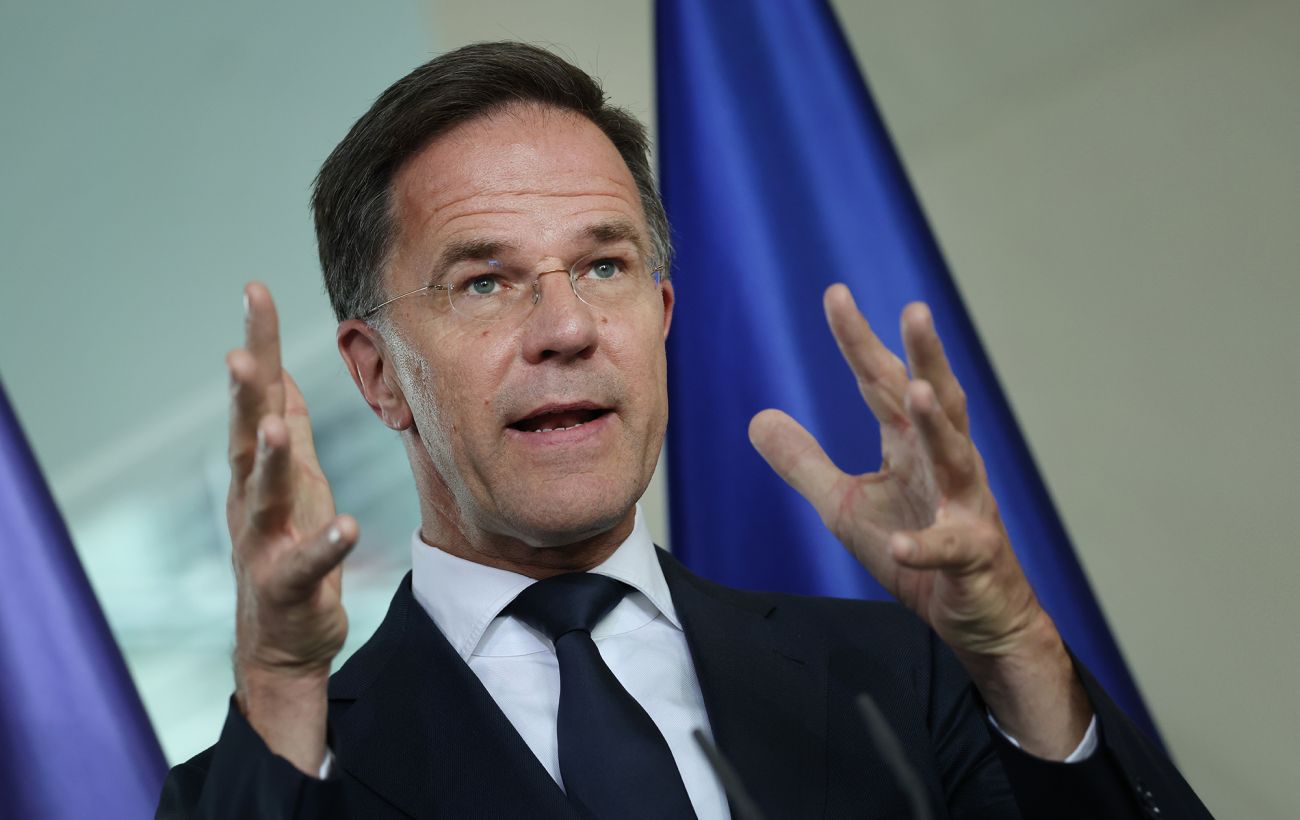
Russia is likely preparing to launch a satellite with a nuclear warhead in the coming weeks, causing concern in NATO and Germany. NATO Secretary General Mark Rutte promis…
 🏙️City
Why Electricity Bills Don't Decrease During Power Outages
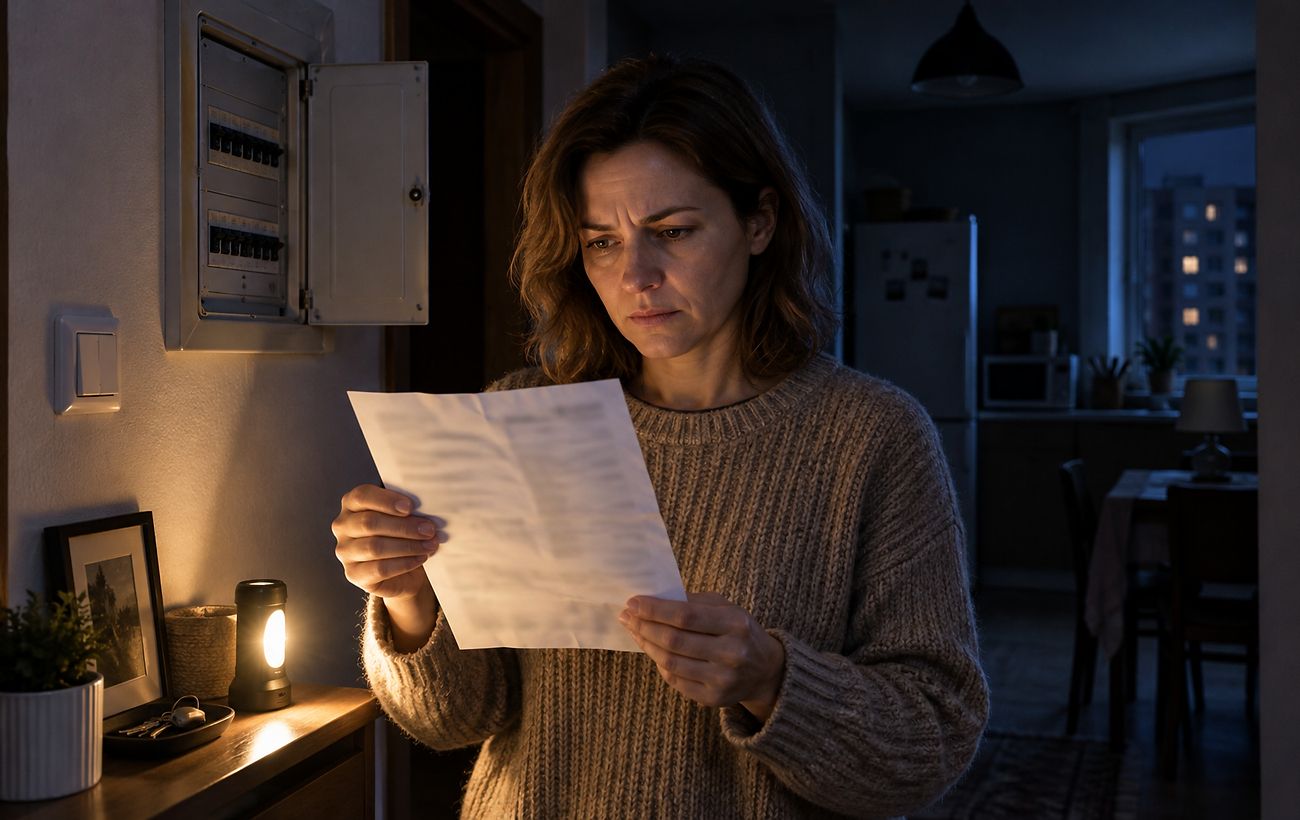
Energy experts explained why electricity bills may not decrease during power outages. The main reasons are delayed meter readings and the principle of deferred consumptio…