Microplastics in water: new study reveals hidden chemical threat
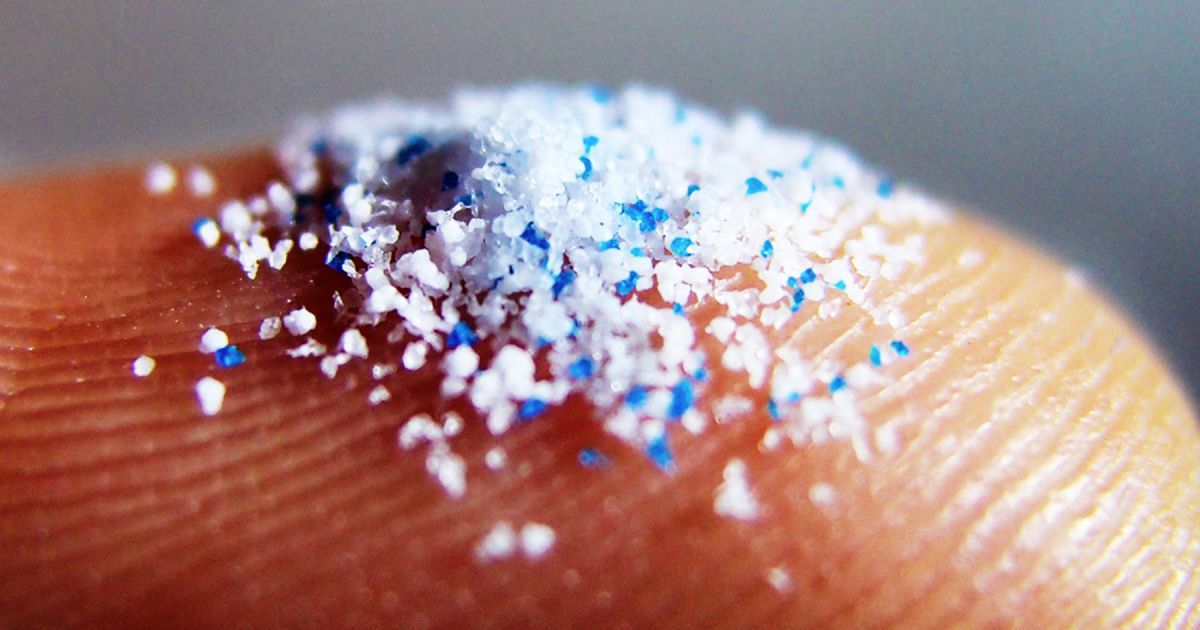
Scientists have discovered that microplastics can trigger chemical reactions with water, creating compounds that may damage living cells.
 🩺Health
Photo: TSN
Key points
- Microplastics in water trigger chemical reactions producing reactive oxygen species.
- Reactive compounds can damage biological structures like proteins and DNA.
- Heating plastic in microwaves or under sunlight accelerates particle release.
Microplastics, long considered passive pollutants, have been found to be significantly more dangerous than previously thought. A study conducted by researchers at Columbia University and the University of California, Berkeley, demonstrates that plastic particles actively interact with water.
Chemical activity of plastic
When in contact with water, reactive oxygen species (ROS) form on the surface of the plastic. These molecules, such as hydroxyl radicals, can damage proteins and DNA structures. Experiments involving mouse red blood cells showed that interaction with polystyrene leads to cell deformation and destruction.
Polyethylene and polypropylene were found to be the most active, while PET plastic showed lower reactivity. Crucially, as plastic particles break down into smaller fragments, their total surface area increases, which intensifies these chemical processes.
Daily life tips
- Avoid heating plastic containers in the microwave.
- Do not store plastic water bottles in direct sunlight for long periods.
- Be aware that even disposable paper cups contain a plastic lining that breaks down with hot liquids.
Source TSN — tsn.ua/zdorovya/mikroplastyk-vyiavyvsia-nebezpechnishym-niz-vvazaly-shc… ↗
Read next
 🚨Events
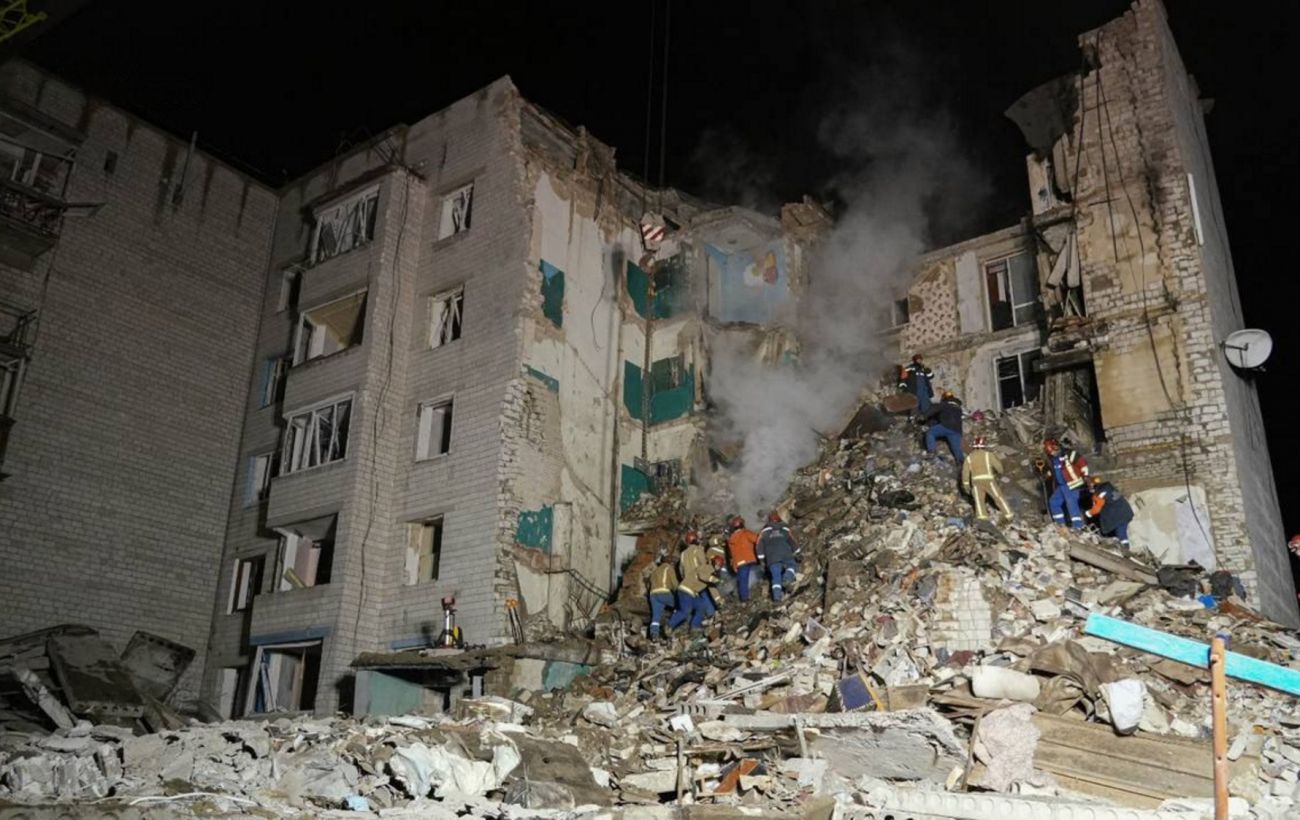
Tragedy in Dymer: 79-Year-Old Woman Dies in Hospital Following Enemy Attack
An elderly woman rescued from the rubble of a residential building in Dymer, Kyiv Oblast, has passed away in the hospital. The death toll from the strike on the five-stor…
 👥Society
Sky News Documentary on Ukrainian National Guardsmen Wins International Emmy Award
A documentary by British broadcaster Sky News detailing the service of Ukrainian National Guard soldiers has won an award at the 54th International Emmy Awards ceremony i…
 🏛️Politics
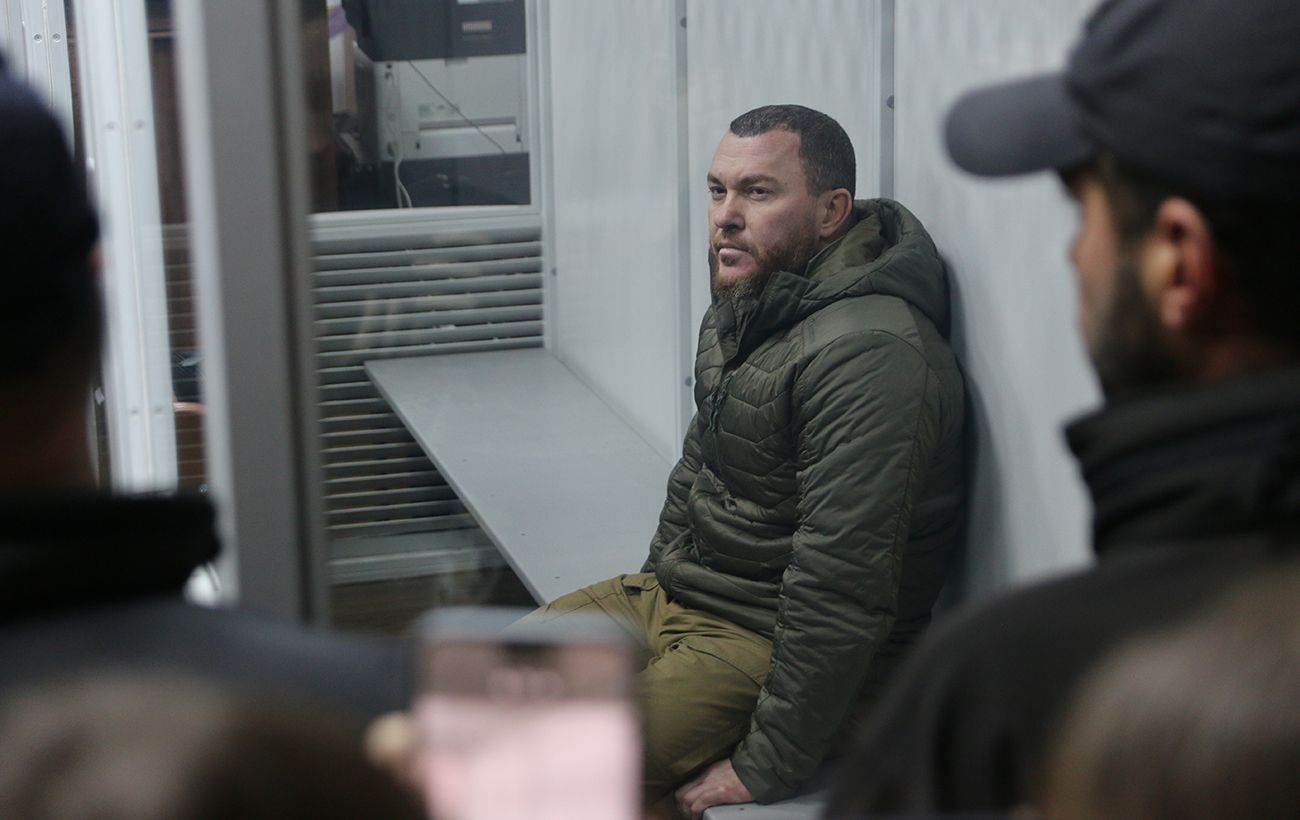
The 'Carthage-2' Case: NABU Releases Details of Searches at SBU Major General Duka's Residence
The National Anti-Corruption Bureau has disclosed evidence of obstruction during searches involving SBU Major General Serhiy Duka.
 🇺🇦Ukraine
Ukrainian MFA Responds to Libya Regarding the Destruction of the Russian Corvette in Benghazi
The Ukrainian Foreign Ministry stated that the neutralization of the Russian warship was a legitimate act of self-defense, advising Libya to address its concerns to Mosco…
 💼Economy
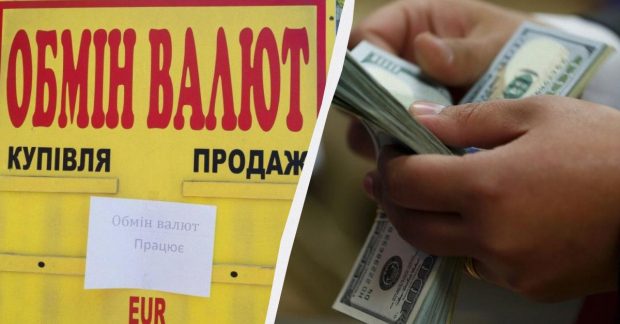
Foreign Currencies Rise in Ukraine: New Exchange Rates Recorded in Banks and Exchange Offices
The cash market in Ukraine has seen another increase in US dollar and euro exchange rates. The National Bank also lowered the official value of the hryvnia.
Uncertainty Over NMT-2027: 'Parents SOS' Highlights Risks of Admission Rules Delay
Ukrainian high school graduates still lack approved rules for the National Multisubject Test in 2027, raising serious concerns among students and families.